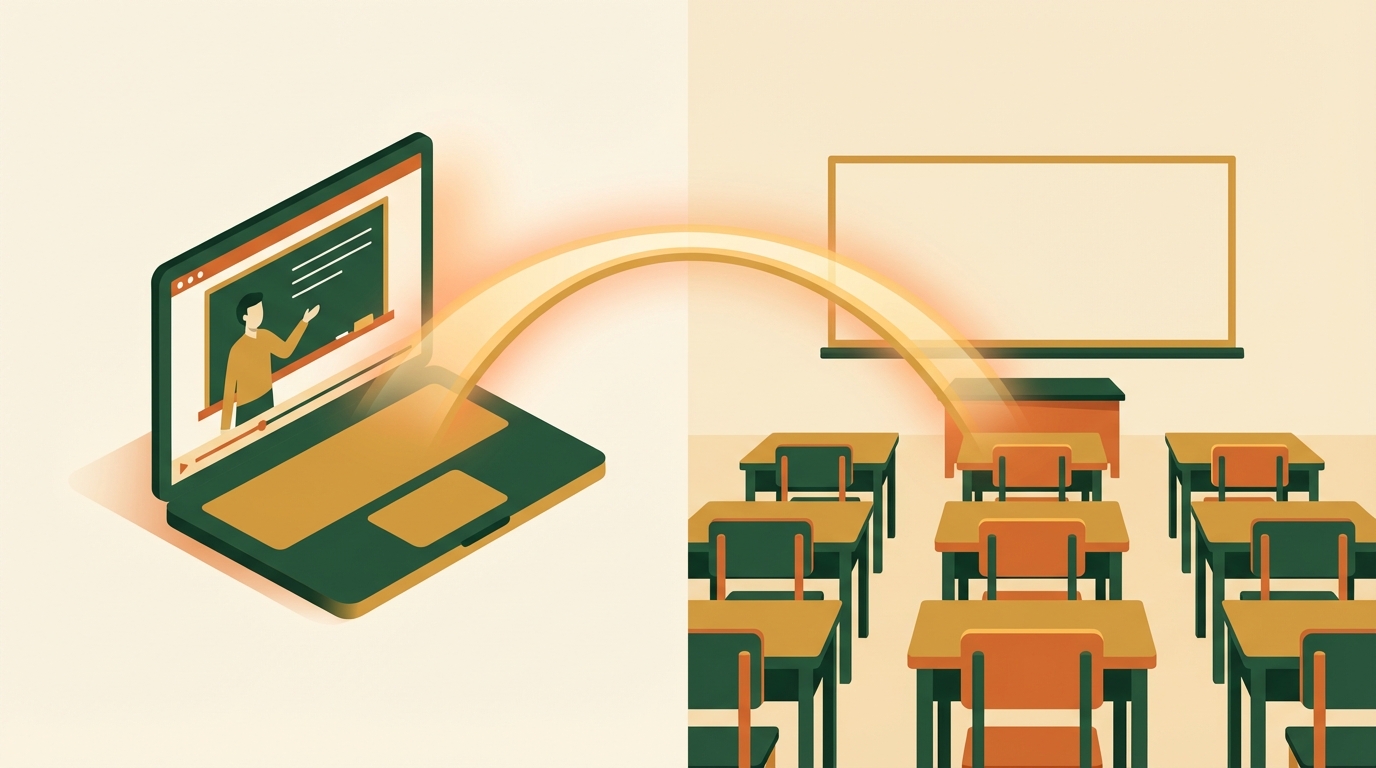
Quick Answer: Classroom review is better if you need structure, accountability, and real-time interaction with instructors. Online review is better if you need flexibility, are based in the provinces, or are a working professional. Many top review centers now offer hybrid formats that combine both. Your ideal choice depends on your self-discipline, schedule, budget, and location.
Introduction
The Philippine review center landscape has changed dramatically in recent years. What was once an exclusively classroom-based industry now offers a full spectrum of formats — from traditional face-to-face sessions to fully online platforms and hybrid combinations. This shift accelerated during the pandemic and has since become a permanent feature of board exam preparation.
Whether you are preparing for the CPALE, NLE, LET, or any other Professional Regulation Commission (PRC) licensure exam, you now face a fundamental choice: Should you enroll in a classroom-based program, go fully online, or try a hybrid approach? This guide compares each format honestly to help you decide.
The Rise of Online Review in the Philippines
Before 2020, online review options were limited. Most aspiring professionals traveled to Manila, Cebu, or other major cities to attend classroom review. Today, virtually every major review center offers some form of online learning:
- REO CPA Review pioneered the Triple Review Approach with a fully online CPA review platform
- CBRC (Carl Balita Review Center) offers online LET, Nursing, and Criminology review across its 181 branches
- TopRank Review Academy provides online NLE review alongside its 25 physical branches
- ACTS Review Center offers online medical technology review at PHP 14,500–16,000
- IPASS Processing runs a dedicated PNLE online review program starting at PHP 5,000
- Team PRTC offers per-subject online CPA review enrollment
Classroom Review: The Traditional Approach
How It Works
Classroom review follows a structured schedule — typically 3–4 months of daily lectures held at physical review center locations. Sessions run from morning to afternoon (usually 8 AM to 5 PM), with instructors teaching live in front of a class of reviewees.
Pros of Classroom Review
- Built-in structure and routine. You have a fixed schedule that forces you to study consistently. There is no option to "watch it later" — you show up or you miss it.
- Real-time interaction. You can raise your hand, ask questions, and get immediate clarification from instructors.
- Peer motivation. Studying alongside hundreds of fellow reviewees creates a sense of shared purpose. Seeing others work hard pushes you to do the same.
- Simulated exam pressure. In-class quizzes and mock exams train you to perform under time constraints and exam-like conditions.
- Fewer distractions. When you are physically in a classroom, you are far less likely to browse social media or get pulled into household chores.
- Networking opportunities. You build connections with future professionals who may become colleagues, study partners, or referral sources.
Cons of Classroom Review
- Geographic limitation. Most major review centers are concentrated in Manila, Cebu, and a few other cities. Students from provinces may need to relocate.
- Additional living costs. If you relocate for review, you must budget for rent, food, and transportation on top of tuition.
- Fixed schedule. If you are a working professional or have family responsibilities, attending full-day classes may be impossible.
- Commuting time. In Metro Manila, daily commutes can eat up 2–4 hours — time that could be spent studying.
- Higher total cost. When you factor in living expenses and transportation, classroom review can cost significantly more than tuition alone.
Online Review: The Modern Alternative
How It Works
Online review programs vary widely — some offer live-streamed classes on a fixed schedule, others provide pre-recorded video lectures you can watch at your own pace, and many combine both with digital quizzes, discussion forums, and mobile app access.
Pros of Online Review
- Location independence. Study from anywhere — your province, your home, even abroad. No need to relocate to Manila or Cebu.
- Flexible scheduling. Watch lectures at your own pace, rewind difficult concepts, and study at your most productive hours.
- Lower total cost. Without relocation, rent, food, and commuting expenses, online review is almost always cheaper overall.
- Replay capability. Difficult topics can be rewatched multiple times until you fully understand them — something impossible in a live classroom.
- Accessibility. Students with disabilities, health conditions, or caregiving responsibilities can still access quality review.
- Technology-enhanced learning. Digital platforms often include progress tracking, adaptive quizzes, and analytics that help you focus on weak areas.
Cons of Online Review
- Requires strong self-discipline. Without a fixed classroom schedule, it is easy to procrastinate, fall behind, or skip sessions.
- Limited real-time interaction. While some platforms offer live Q&A, it is not the same as raising your hand in a physical classroom.
- Isolation. You miss out on the camaraderie and peer motivation of studying alongside fellow reviewees.
- Home distractions. Family, household responsibilities, social media, and the comfort of your own bed can all undermine your study time.
- Technical requirements. You need a reliable internet connection and a device — which can be a challenge in some provinces.
- Screen fatigue. Spending 6–8 hours a day watching lectures on a screen can be mentally and physically draining.
Cost Comparison
| Cost Factor | Classroom Review | Online Review |
|---|---|---|
| Tuition Fee | PHP 8,000–21,000+ | PHP 5,000–16,500 |
| Monthly Rent | PHP 3,000–8,000/month | PHP 0 |
| Food & Transportation | PHP 3,000–6,000/month | Minimal |
| Study Materials | Often included | Often included |
| Internet Connection | Not required | PHP 1,500–2,500/month |
| Total (3-month review) | PHP 26,000–60,000+ | PHP 9,500–24,000 |
Note: Estimates based on Metro Manila living costs and available review center pricing. Actual costs vary by location and lifestyle.
The Hybrid Approach: Best of Both Worlds?
Many review centers now offer hybrid programs that combine classroom and online components. For example:
- Attend physical classes for core lectures and mock exams
- Access online recordings for review and catching up on missed sessions
- Use mobile apps for practice quizzes during commutes or breaks
This hybrid model is increasingly popular because it provides structure while offering flexibility. Centers like CBRC, TopRank, and REO all offer some form of hybrid learning.
Who Should Choose Classroom Review?
- First-time board exam takers who have never experienced licensure exam preparation
- Students who struggle with self-discipline and need external structure
- People based in or near Metro Manila, Cebu, or other cities with major review centers
- Those who learn best through discussion and real-time interaction
- Full-time reviewees with no work or family obligations competing for their time
Who Should Choose Online Review?
- Working professionals who cannot attend full-day classes
- Provincial students far from major review center locations
- Retakers who already have some familiarity with the exam format
- Self-disciplined learners who can maintain a study schedule independently
- Budget-conscious reviewees who want to minimize total preparation cost
- Parents and caregivers with responsibilities that prevent classroom attendance
Tips for Succeeding in Online Review
If you choose online review, these strategies can help you stay on track:
- Create a dedicated study space free from distractions — even if it is just a corner of a room.
- Set a fixed daily schedule and treat it as non-negotiable, just like a classroom class.
- Join online study groups through Facebook or Telegram to simulate the peer support of classroom review.
- Take timed practice exams regularly to develop your pacing and exam stamina.
- Use the Pomodoro technique — study for 25–50 minutes, then take a 5–10 minute break.
- Limit social media during study hours by using app blockers or putting your phone in another room.
Tips for Maximizing Classroom Review
- Sit at the front to minimize distractions and maximize engagement with the instructor.
- Review notes the same day to reinforce what you learned while it is still fresh.
- Form a study group with 3–5 classmates for regular after-class review sessions.
- Do not rely solely on lectures — supplement with self-study and practice exams.
- Arrive early to get settled and mentally prepare for the day's session.
Frequently Asked Questions
Is online review as effective as classroom review?
It can be, but it depends on the individual. Studies consistently show that learning outcomes depend more on student effort and consistency than on format. Self-disciplined students can achieve excellent results with online review.
Can I switch from online to classroom mid-review?
Some centers allow this, but policies vary. Check with your specific review center before enrolling.
What internet speed do I need for online review?
Most platforms recommend at least 5–10 Mbps for smooth video streaming. A backup mobile data plan is advisable for areas with unstable connections.
Are online review materials the same as classroom materials?
Usually yes, though some centers provide additional in-class practice materials or mock exams that are exclusive to classroom enrollees.
Is there a hybrid option for provincial students?
Yes. Some centers like CBRC have branches in provinces that offer hybrid programs, and others like Team PRTC allow you to mix online and physical attendance.
How do I stay motivated studying alone at home?
Set daily goals, track your progress, join online study communities, and reward yourself for milestones. Consider scheduling periodic in-person study meetups if possible.
Which format has a better passing rate?
There is no publicly available PRC data comparing passing rates by review format. Both formats produce passers and topnotchers.
Can I use my phone for online review?
Most platforms have mobile apps or mobile-optimized websites, so yes. However, studying on a larger screen (laptop or tablet) is generally more comfortable for extended sessions.
Final Thoughts
The classroom vs. online debate has no universal winner. The best format is the one that aligns with your circumstances, learning style, and budget. What matters most is consistent, focused preparation — regardless of whether you are sitting in a review center in Sampaloc or studying from your bedroom in the province.
Explore review centers that offer both classroom and online options on SchoolFinderPH. Compare programs in Manila, Cebu, Davao, and other cities to find the best fit for your board exam journey.